
Author(s): Mike Donovan (VP Insights & Innovation Services – Various Views Research) & Akash Pai (Founder of Zerobrush, Inc – Personalized Oral Health)
Executive Summary
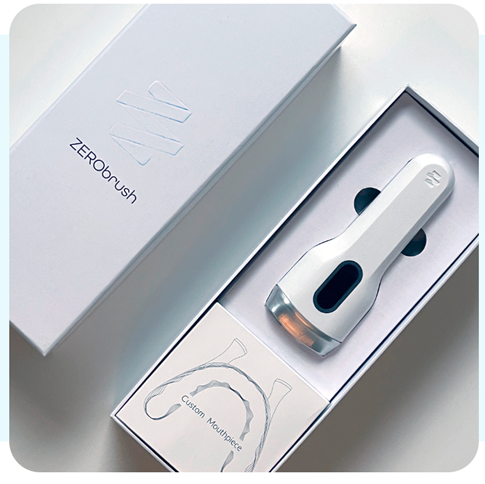
This case study examines the comprehensive market research program conducted for Zerobrush, a revolutionary personalized oral care device disrupting a category unchanged for over a century. Through an iterative research approach, we conducted multiple small-scale use tests to optimize prototype design, usage instructions, product claims, and personalization options before executing a large-scale home use test (N=120) employing mixed methods including quantitative surveys at three-time intervals, video documentation, and qualitative interviews. The research culminated in a two-leg clinical study with 60 participants in partnership with a local dental practice, generating robust evidence to support product development, positioning, and go-to-market strategy for this breakthrough innovation.Research Objectives
This multi-phase research program was designed to achieve four interconnected objectives that would de-risk the product launch and optimize market positioning for Zerobrush.- Provide a detailed roadmap of necessary device improvements through iterative small-scale testing and validate those improvements prior to committing resources to a larger home use study.
- Measure and validate device acceptance, overall consumer appeal, and device performance against key usage and satisfaction metrics in real-world home environments.
- Identify and validate meaningful performance claims derived from authentic personal use experiences that would resonate with target consumers and differentiate the product in market.
- Measure and validate device performance using an industry-standard clinical protocol to establish credible, evidence-based efficacy claims that could withstand regulatory and competitive scrutiny.
Background & Context
Despite decades of public health education on proper oral hygiene, studies demonstrate that 40% of tooth surfaces remain inadequately cleaned during routine brushing, leaving harmful bacteria that contribute to cavities, gum disease, and bad breath. This persistent problem stems from inherent limitations in traditional toothbrush design: hard-to-reach areas between teeth and along the gumline remain insufficiently cleaned, users inadvertently brush one side of their mouth more thoroughly than the other, and excessive pressure during brushing causes gum recession and enamel damage. Recognizing these systemic failures, Dr. Nidhi Pai, DDS—a board-certified cosmetic dentist and founder of Smiles by Pai—developed Zerobrush after years of clinical observation revealed that even her most diligent patients were unknowingly damaging their gums despite conscientious brushing habits. This insight prompted a fundamental reimagining of oral care technology, resulting in a personalized device designed to address the category’s longstanding performance gaps and protect users from self-inflicted harm while delivering superior cleaning outcomes.Methodology
Research Design: Mixed-methods approaches Sample:- Top 2 Box Concept reaction + Oral Care Issues
- Sprints N=20, HUT N=120, Clinical N=60
Key Findings
Superior Cleaning Efficiency
The clinical study demonstrated that Zerobrush removed nearly 2× more plaque in 30 seconds than a manual toothbrush removed in 60 seconds, validating the device’s promise to clean better in half the time. After four weeks of use, Zerobrush users showed significantly reduced plaque buildup compared to baseline, while manual brush users demonstrated no improvement in plaque levels.Unprecedented Access to Hard-to-Reach Areas
Zerobrush proved exceptionally effective in areas that traditionally accumulate the most plaque, removing up to 5× more plaque from difficult-to-access surfaces including lingual areas (56.0% vs. 6.5% for manual brushing) and mandibular surfaces (56.9% vs. 23.2% for manual brushing). This finding directly addresses the persistent problem of incomplete tooth surface cleaning that affects 40% of surfaces with conventional brushing.Improved Gum Health Through Gentle Design
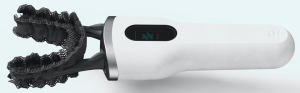
The custom-fit, personalized design—created from 3D models of individual users’ teeth—delivered measurably gentler care. Over the four-week study period, Zerobrush users experienced reduced gum inflammation and bleeding, while manual toothbrush users actually showed worsening gum conditions, confirming that the device prevents the inadvertent gum damage commonly caused by improper brushing technique and excessive pressure.Clinical Validation and Publication
These findings were validated through an IRB-approved four-week study with 61 participants and subsequently published in the peer-reviewed Journal of Oral Hygiene & Health, establishing credible, defensible performance claims for market positioning.